
 Tap to Call
Can a Pedestrian Be at Fault in Virginia?
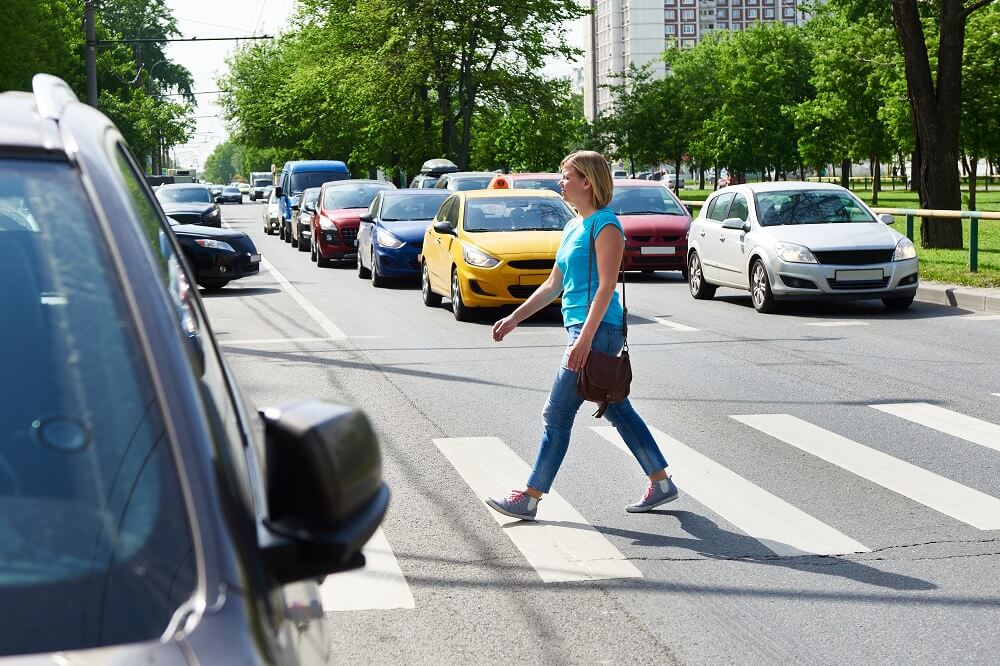
The driver isn’t always at fault in a pedestrian accident. Sometimes, a pedestrian’s actions or carelessness contributes to accidents, and even a seriously injured person may bear partial fault – and in Virginia, this can prevent them from recovering compensation even if the driver was primarily at fault.
Virginia’s contributory negligence law can potentially override even a very strong pedestrian accident claim if the individual on foot didn’t take appropriate action to avoid placing themselves in danger.
If you were hit by a car, an experienced pedestrian accident lawyer from Lichtenstein Law Group PLC can review the facts of your case and explain your legal options. Contact us today for a free consultation.
Do Pedestrians Always Have the Right of Way in Virginia?
Pedestrians don’t always have the right of way under Virginia law. While drivers must yield in many situations, pedestrians also have a duty to cross at marked crosswalks or intersections when possible and to avoid disregarding traffic control signals or otherwise stepping into oncoming traffic when it’s unsafe.
What Are Virginia’s Right-of-Way Laws for Pedestrians?
Virginia’s pedestrian right-of-way laws strike a balance between the responsibilities of pedestrians and motorists to promote road safety. The law requires drivers to stop for pedestrians crossing in marked crosswalks, intersections, or areas where the speed limit is 35 miles per hour or less. Pedestrians, in turn, must cross highways carefully and use crosswalks or intersections whenever possible. They’re prohibited from suddenly stepping into the path of oncoming vehicles or crossing in a manner that disregards traffic signals.
When traffic lights or officers control an intersection, pedestrians must follow their directions. At all other times, drivers have a continuing duty to watch for pedestrians and take reasonable steps to avoid collisions. Understanding Virginia traffic laws is the first step to establishing a legal claim for compensation following a collision between a pedestrian and a vehicle.
When Could a Pedestrian Be At Fault for the Accident?
A pedestrian may be found partially at fault for a pedestrian accident in Virginia if they violate the state’s pedestrian laws or act carelessly. Crossing outside a crosswalk, commonly referred to as jaywalking, can contribute to fault if it creates a hazard to others. Pedestrians who ignore “Don’t Walk” pedestrian signals or dart suddenly into traffic also violate the law. Pedestrians who walk while intoxicated or distracted by their phones or headphones may also be considered negligent if their inattention contributes to the crash. These behaviors may demonstrate a failure to exercise reasonable care for personal safety and can preclude pedestrians from financial recovery under Virginia’s strict pure contributory negligence rule.
Could Both the Driver and the Pedestrian Share Fault for the Accident?
Multiple parties can share responsibility for a pedestrian accident. Unfortunately for pedestrians themselves, Virginia adheres to the strict contributory negligence doctrine, which holds that if a person is found to be even one percent at fault for an accident, they cannot recover any compensation.
Here’s how this plays out in practice: Say a pedestrian crosses outside a crosswalk and a speeding driver hits them. Although the driver was breaking the law and acting negligently, so was the pedestrian. If the court finds both parties negligent, the pedestrian can be completely barred from recovering damages (compensation).
However, there are some limited situations in which the law makes an exception, including:
- The driver engaged in willful and wanton conduct.
- The driver had the last clear chance to avoid a collision.
- The pedestrian was trying to rescue another person from a potential collision.
- The pedestrian was a child or an incapacitated person.
If you would like to know whether you have grounds to seek compensation after a pedestrian accident caused by some other party’s negligence, contact Lichtenstein Law Group PLC. Our legal team can conduct a thorough investigation, gather evidence, identify who can be held responsible for your injuries, and fight for fair compensation on your behalf.
What Evidence Is Used to Prove Who Is At Fault for the Accident?
To determine fault in a pedestrian injury case, interested parties will review the available evidence to figure out what happened and whose actions caused or contributed to the crash. Investigators, insurers, and attorneys may rely on evidence, such as:
- Police reports and traffic citations
- Eyewitness testimony
- Traffic camera, dashboard camera, or surveillance footage
- Accident scene photographs and measurements
- Vehicle damage and skid marks
- Cell phone or electronic data
- Medical records and toxicology reports
- Expert testimony from accident reconstructionists
It’s essential for injured pedestrians and their legal representation to initiate an investigation as soon as possible after the crash, as evidence can quickly deteriorate or disappear. For example, road conditions can change very quickly, and camera footage may not be saved for more than a few days. Taking fast action to gather and preserve evidence ensures the accessibility of the most accurate information about how the accident occurred and helps support a clearer determination of fault.
Does Virginia Have a Time Limit for Filing an Accident Lawsuit?
Virginia law sets a strict deadline for filing a pedestrian accident lawsuit, requiring that most be filed within two years from the date of the accident. Missing this deadline typically means losing the right to pursue compensation in court. Because investigating and preparing a claim takes time, it’s best to consult a lawyer soon after the accident to protect your ability to recover.
What Types of Damages Might Be Recoverable in a Virginia Pedestrian Accident Claim?
The available damages in a pedestrian accident claim depend on factors like the extent of the injuries and the evidence of fault. Every case is unique. A pedestrian injured in a crash may be entitled to compensation for both financial and personal losses if someone else caused the collision and the pedestrian bore no responsibility. Recoverable damages in a Virginia pedestrian accident claim may include compensation for:
- Past, ongoing, and future medical expenses
- Therapy and rehabilitation costs
- Lost income, including diminished future earning capacity
- Physical and emotional pain and suffering
- Permanent disability or disfigurement
- Property damage
- Loss of quality and enjoyment of life
Contact a Virginia Pedestrian Accident Attorney Near You
If a driver hit you while you were walking, you may be entitled to financial recovery that pays for your medical expenses, replaces your lost income, and accounts for the intangible personal losses the accident caused. An experienced pedestrian accident lawyer can provide assistance throughout the legal process while you seek medical attention and focus on your recovery.
Since 1992, Lichtenstein Law Group PLC has served injured people in Roanoke and communities throughout Southwest and Central Virginia. Our team boasts nearly 100 years of combined experience, demonstrating a commitment to delivering highly personalized legal services. Contact us today to discuss your case with an experienced pedestrian accident attorney at no financial risk to you.