

 Tap to Call
Who Pays for Towing and Storage After a Virginia Car Accident?
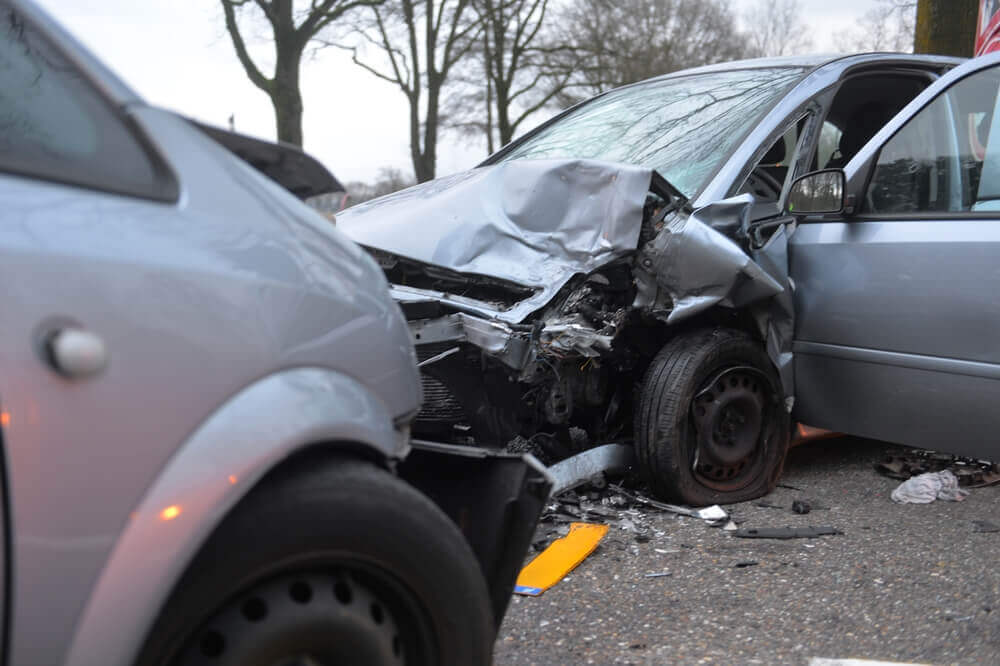
If you are in a car accident and can’t drive your car away from the accident scene because it is too damaged, what happens next? In most cases, you will incur fees to have your car towed and stored until an auto shop can repair it. But who pays those fees?
In Virginia, the driver at fault for causing the accident should be the party responsible for compensating you for the costs of towing or storing your vehicle while it undergoes repair for car accident damage. This compensation will likely come from the at-fault party’s liability insurance coverage.
What Steps Should You Take Before Your Car Is Towed from the Accident Scene?
Before the tow truck transports your vehicle from the scene of the auto accident, you should try to do the following:
- Take photos of the damage to your car.
- Photograph your vehicle’s position after the crash.
- Remove your dashcam (if you have one) or memory card, or download footage of the accident to another device or the cloud.
- Contact law enforcement (who can connect you with a tow truck).
- Get contact information from the other drivers involved in the crash
- Notify your auto insurance company by calling or starting a claim on the insurer’s mobile app.
By taking these steps, you can protect your rights to compensation from the at-fault driver. If you have any questions, contact an attorney with experience handling car accident claims in Virginia.
Do You Need to Be Present After the Accident for Your Car to Be Towed?
You do not necessarily have to remain at the accident scene until the tow truck arrives to tow your vehicle, especially if you arrange a tow through your auto insurance company or a service like AAA. You may need to leave the scene before the tow truck arrives to go to the hospital for emergency medical treatment. However, you should obtain the tow company’s information, as you may need to provide your insurance or AAA membership information after the tow truck drops off the vehicle at an auto shop or a storage facility.
What Insurance Covers Towing, Storing, and Repair of Vehicles After an Accident?
Various types of car insurance coverage can cover towing, storage, and repair of your car after an accident. For example, collision coverage should pay for towing your vehicle away from the accident scene, fees to store the car while awaiting repair, and repair expenses.
For many drivers, this form of coverage is optional. However, drivers who have loan payments or lease their cars typically have a contractual obligation under their loan or lease to carry collision coverage.
If another driver is responsible for the damage to your vehicle, you can pursue compensation for your towing, storage, and repair expenses from that at-fault driver. Virginia law requires all drivers to carry liability insurance, including coverage for property damage they cause in a car accident.
How Do I Know If My Auto Insurance Covers Towing?
You can review your auto insurance policy to see whether you have coverage that includes towing services. In most cases, collision coverage will pay towing expenses after an accident. Alternatively, optional roadside assistance coverage can cover towing in most circumstances unrelated to collisions, such as disabled vehicles or damage caused by debris, weather, vandalism, or theft.
What If The Other Driver Does Not Carry Enough Insurance to Cover the Cost of Towing and Storing My Car?
Unfortunately, the driver who hit your car may not have sufficient property damage liability coverage to compensate you for the costs of towing or storing your vehicle. Alternatively, despite the law requiring it, they may not have liability insurance.
Under these circumstances, you might file a car accident lawsuit against an at-fault driver to recover compensation directly from their personal assets or income. However, it’s essential to understand that drivers who have minimal or no insurance coverage might also lack the personal financial resources to pay you what they owe you.
Does Virginia Law Set Limits on the Cost of Towing and Storing a Vehicle?
Virginia law limits towing and storage fees for removing a vehicle from private property or towing a vehicle without the owner’s consent. These limits include a cap on hookup and initial towing fees at $210 and weekend/holiday surcharges at $30 per tow. Additionally, the law prohibits charging storage fees for the first 24 hours.
State law allows municipalities to set different limits on towing and storage charges. However, state law does not limit towing and storage fees for removing and storing vehicles damaged in a crash when the vehicle’s owner or operator authorizes the tow.
Can You Recover the Cost of Towing and Storage in a Car Accident Lawsuit?
Suppose another driver caused a car accident that damaged your vehicle. In that case, you can file a car accident lawsuit to pursue a financial recovery for your towing and storage costs. You may file a lawsuit if the at-fault driver or their insurance company refuses to agree to a settlement compensating you for those costs.
Does Virginia Have a Time Limit for Filing a Car Accident Lawsuit?
Under Virginia’s statute of limitations, you typically have two years after a car accident to file a lawsuit against an at-fault driver or other liable parties. A lawsuit can compensate you for towing, storage, and repair expenses for your car’s damage and other losses you sustained due to the accident. These losses may include medical costs, long-term care expenses, lost wages or earning potential, and pain and suffering.
Contact a Virginia Car Accident Lawyer
Has your vehicle been damaged in a car crash caused by another driver’s negligence? If so, you deserve to hold that driver responsible for your towing and storage costs and the other losses you’ve suffered. Contact Lichtenstein Law Group PLC for a free consultation with a car accident attorney to learn more about your rights.
Since 1992, our firm has diligently represented accident victims across Virginia. Our in-depth legal experience and personalized attention can help make a difficult time much easier. Don’t wait – reach out today.
Visit Our Virginia Car Accident Law Offices

John E. Lichtenstein is a founding member of Lichtenstein Law Group, PLC, with more than three decades of experience as a trial lawyer. A graduate of the University of Virginia School of Law, John has successfully resolved hundreds of cases on behalf of his clients, including some of the largest jury verdicts and settlements in Virginia history. He has also served his profession, including serving as President of the Virginia Trial Lawyers Association in 2015-2016 and as Chair of the Virginia State Bar Criminal Law Section in 2007-2008.