
 Tap to Call
Will Premiums Go Up If You Use UM/UIM in Virginia?
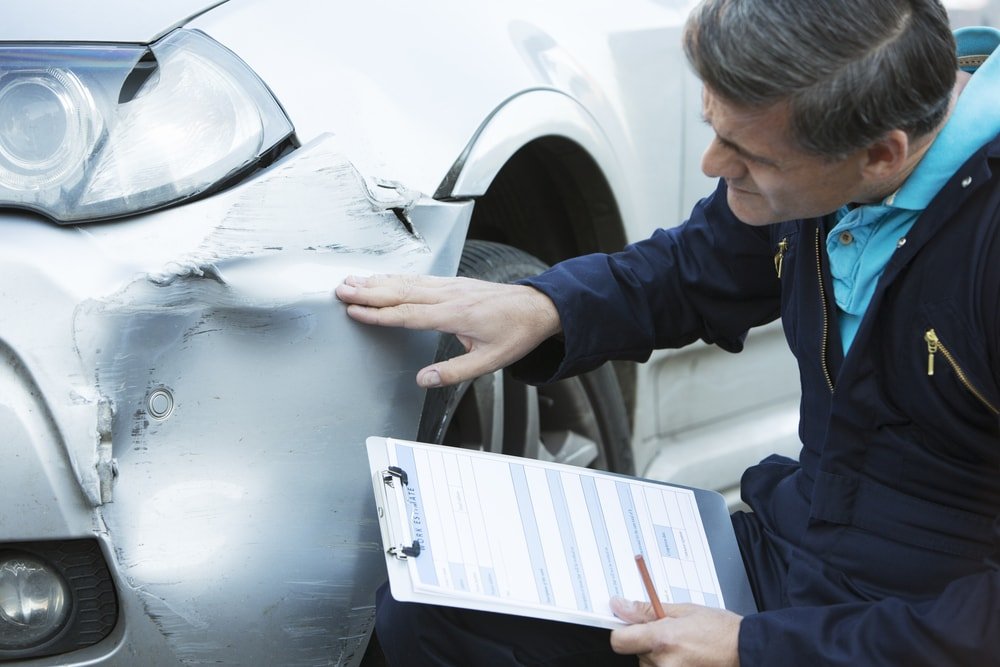
If another driver injured you in a crash, the last thing you will need to face is a higher insurance bill on top of everything else. The good news is that Virginia law generally bars insurers from increasing the premiums you must pay after an accident that was not your fault. Most UM/UIM claims fall into that category.
However, the law doesn’t guarantee a smooth claims process or shield you from tactics that insurance companies often use to shift blame. Fault disputes and your prior claim history can affect your rates in ways the law doesn’t prevent. A Virginia car accident lawyer can help you understand your coverage and work closely with you to pursue full and fair compensation.
What Is Uninsured Motorist Coverage?
Virginia law requires auto insurance companies to include uninsured motorist (UM) coverage in every auto insurance policy they sell. Unless you specifically declined this coverage in writing, your auto insurance policy should include UM coverage.
UM coverage protects you if you are in a Virginia auto accident caused by a driver with no auto insurance. The UM policy provides bodily injury and property damage protection up to the limits you purchased.
UM coverage also can protect you in hit-and-run accidents, or when the at-fault driver flees the scene, and you cannot identify them. If you do not have UM coverage to protect yourself after a car crash that an uninsured driver caused, you would be responsible for paying your medical expenses and other crash-related losses out of pocket.
More than one in eight Virginia drivers lack required auto insurance, according to the Insurance Information Institute. So, UM coverage fills a critical gap. If you have been in a collision and are unsure whether you have UM coverage or what your policy limits are, a Virginia car accident lawyer can review your policy and evaluate your options.
What Is Underinsured Motorist Coverage?
Underinsured motorist (UIM) coverage applies if an at-fault driver has auto liability insurance, but the driver’s coverage limits are not high enough to fully compensate you for your losses. Virginia requires insurers to include UIM coverage in every auto policy. However, like UM, drivers can waive UIM coverage in writing.
As of January 1, 2025, Virginia’s minimum liability limits are $50,000 per person and $100,000 per accident. Those numbers may sound substantial. However, serious injuries can lead to medical bills, income losses, and other costs that far exceed those limits. UIM coverage can help to bridge that gap.
Additionally, under a recent update to Virginia law, UIM coverage now stacks on top of the at-fault driver’s liability limits rather than being offset by it. That change strengthens the value of UIM protection for Virginia drivers.
When Could Your Premiums Increase After a Virginia UM/UIM Claim?
Our attorneys hear many questions from people injured in uninsured motorist collisions along the lines of the following: Will premiums go up if you use UM UIM in Virginia?
Virginia law generally prohibits insurers from raising car insurance policy premiums after an accident that was not your fault. Although many UM/UIM claims fall into that category, some circumstances could complicate that legal protection, including when:
- Your insurer believes you share fault for the accident – The insurer may raise your insurance premiums. Shared fault allegations are not always accurate. An experienced car accident attorney can help you challenge them.
- You have a history of accident claims – Your accident history could affect how insurers view your risk profile. Some insurers factor in claim frequency when evaluating renewals or setting rates at policy expiration.
If you have been in an accident that an uninsured driver caused, and you suffered injuries, you should discuss your options with an experienced car accident attorney. The attorney can help you understand your right to file a car accident claim and how you may turn to your uninsured or underinsured motorist coverage in Virginia.
What Are the Steps to Take Before Filing a UM/UIM Claim in Virginia?
Here are a few key steps you can take before filing a claim. Taking these steps can make a difference in how your claim proceeds:
- Review your insurance policy carefully – If you miss a filing deadline or fail to provide proper notification of a car accident according to your policy’s terms, it could jeopardize your claim.
- Document everything – Collect medical records, bills, photographs from the accident scene, and any other evidence that establishes what happened and the extent of your injuries.
- Consult a lawyer before you give an accident statement to an insurer – You should speak with an experienced attorney before giving a recorded statement to an insurer or accepting a settlement offer. The attorney can guide you through the claims process and assess whether the settlement offer is fair, based on your circumstances.
What If Your Insurer Threatens Non-Renewal of Your Policy?
Virginia law requires insurers to provide written notice of legitimate, legally permissible reasons for non-renewal of their auto insurance policy. For no-fault UM/UIM claims, the law restricts what your insurer can do in response. A non-renewal decision based solely on a not-at-fault UM/UIM claim will likely sit on shaky legal grounds.
If you receive a non-renewal notice, read it carefully and take note of any deadlines it contains. Then, contact a Virginia car accident lawyer as soon as possible. The attorney can assess whether the insurer had valid grounds for its decision, help you challenge a wrongful non-renewal decision, and advise you on securing replacement coverage if necessary.
What Should You Do If Your Car Insurance Rates Increase After a UM/UIM Claim?
If your insurer raises your rates after a UM/UIM claim, you have options. Under Virginia law, your insurer must notify you in writing of any premium increase resulting from a motor vehicle accident. That notice must also inform you of your right to appeal the decision to the Virginia Bureau of Insurance.
To appeal, you must typically submit a written notice of appeal within 60 days of receiving the notice of your premium increase. After the Bureau receives your request, it will review whether the increase was justified. If it finds the increase lacks justification, the Bureau may require your insurer to refund any overpaid premiums and adjust your future bills accordingly. A Virginia car accident lawyer can help you evaluate whether an appeal makes sense in your situation.
Get Help from an Experienced Virginia Car Accident Lawyer Today
If a UM/UIM claim has left you with questions about your insurance coverage or your rights, the team at Lichtenstein Law Group is here to help. After a serious accident involving personal injury, you may benefit from legal representation.
Our attorneys bring nearly 100 years of combined legal experience to every car accident we handle. We know how Virginia insurers operate and how to push back when they try to bully injured victims. If you’ve been hurt in an accident involving an uninsured or underinsured driver in Virginia, contact us today to arrange a free consultation. We can review the details of your accident, explain your options, and help you decide on your next steps.