
 Tap to Call
Pedestrian Safety Around Virginia Tech, Radford, and Roanoke College
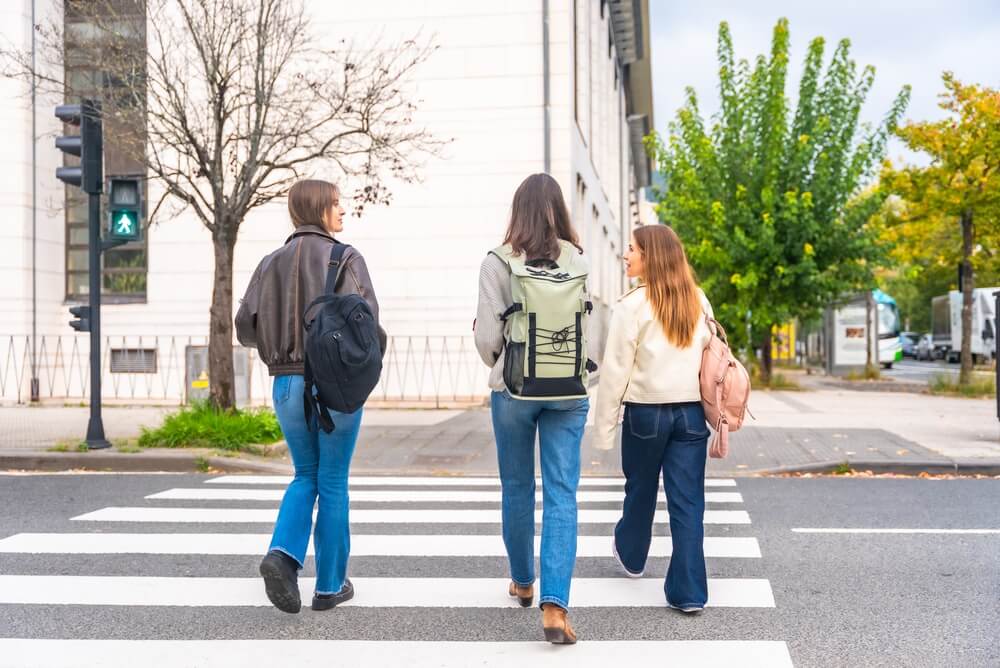
Pedestrian safety around Virginia Tech, Radford, and Roanoke College is a major concern. Accidents can happen wherever a large number of pedestrians and motor vehicles cross paths. However, college areas are especially hazardous because pedestrians and motorists in those areas are often young and busy, and drivers can become distracted or impatient with frequent crossings. If you suffered injuries in a pedestrian accident on or near one of these campuses, you may be entitled to compensation.
With over 100 years of combined experience, the attorneys at Lichtenstein Law Group can review your case and explain the legal options available to you under Virginia law. Call or contact us today for a free consultation with an experienced pedestrian accident lawyer.
Are Pedestrian Accidents More Frequent on Virginia Campuses?
In general, college campuses have an elevated risk of pedestrian accidents because more people walk, bike, and drive in densely populated areas. One study in the Journal of the American Planning Association identified areas on university campuses that are especially high risk for motor vehicle crashes with pedestrians. These locations include:
- Campus activity hubs ‒ Student centers, dining halls, stadiums, dorms and academic buildings
- Access hubs ‒ Campus entrances, major intersections, parking lots, or shuttle and bus stops
Virginia colleges and universities are taking steps to address these hazards. For example, Virginia Tech encourages students, faculty, and staff to use bikes, buses, and carpools to reduce motor vehicle traffic on campus and increase overall safety. The university also notes that there is currently no standardized approach for calculating injury rates for non-vehicle roadway users, making it more difficult to accurately measure the risk of injury to pedestrians and other vulnerable road users. Most recently, VT and the Town of Blacksburg collaborated to improve pedestrian safety by constructing a Transit Center that centralized bus operations, closed Perry Street to create a pedestrian-friendly plaza, and added bike lanes to improve safety infrastructure.
Radford University’s 2020-2030 Master Plan similarly recognizes the significant convergence between pedestrians and motor vehicles around campus. The plan notes that many off-campus students live across Tyler Avenue and Jefferson Street, creating significant pedestrian traffic across those heavily traveled vehicle routes. It also recommends moving bus stops and routes to reduce pedestrian and vehicle congestion and minimize interactions between buses, pedestrians, and other cars.
At Roanoke College, officials worked with the City of Salem to develop a greenway through its Elizabeth Campus to provide the college community with “safer, more convenient pedestrian access” to nearby Salem amenities. The project also addresses specific pedestrian-safety concerns, including the location of a pedestrian crossing near the entrance to the College’s tennis courts. The completed greenway will ultimately provide a designated route for walking and biking between Roanoke College’s main campus and Salem Stadium.
While these safety efforts are crucial, they do not eliminate the inherent risks of campus life for pedestrians. Distracted driving near campus, along with distracted walking, makes campus pedestrian accidents in Virginia a serious safety risk.
Common Pedestrian Hazards Around Southwest Virginia Campuses
Distraction is perhaps the single leading hazard to college campus traffic safety. A recent study of dangerous pedestrian behavior in college areas reported that about one-third of observed pedestrians appeared to be distracted as they crossed the street. The leading distractions were headphones, text messaging, and talking on the phone.
Other pedestrian hazards on campus include:
- Distracted drivers
- Heavy foot traffic between classes
- Bicycles and e-scooters on shared walkways
- High volumes of campus shuttle buses and delivery vehicles
- Poorly marked or congested crosswalks
- Construction zones and temporary detours
- Uneven sidewalks, cracked pavement, or loose bricks
- Low visibility at night due to inadequate lighting
Virginia Laws That Affect Pedestrian Safety
Virginia gives pedestrians certain rights and responsibilities when using its roads. Under the law, pedestrians must use sidewalks and cross at intersections or marked crosswalks whenever possible. They also must follow “Walk” and “Don’t Walk” signals and may not step into traffic from behind a parked vehicle or where an obstruction prevents drivers from seeing them.
However, Virginia law also requires motorists to stop for pedestrians in or approaching their lane at marked crosswalks and certain intersections. Drivers must not pass a vehicle stopped for a pedestrian. They must also slow, stop, or change course when necessary, so that pedestrians can cross safely. A motorist who violates these laws could be at fault if an accident occurs.
Safety Tips for Students Walking Near Virginia Tech, Radford, and Roanoke College
Here are a few Radford, Roanoke College, and Virginia Tech pedestrian safety tips that can help prevent accidents when walking on or around campus:
- Stay alert. Don’t use your phone or wear headphones while crossing campus roads.
- Use marked crosswalks and obey pedestrian signals when available.
- Check for approaching vehicles and make eye contact with drivers before stepping into a crosswalk.
- Watch for bicycles, e-scooters, campus shuttles, and delivery vehicles in shared spaces.
- Be cautious anywhere vehicles frequently enter and exit.
- Wear bright or reflective clothing when walking around campus at night or in poor weather.
- Call for a rideshare service to get home if you’ve been drinking.
Safety Tips for Drivers Near College Campuses
Drivers can do their part to reduce pedestrian accidents near college campuses, too. Motorists should:
- Slow down in campus areas, especially during the school week or during major events.
- Yield at crosswalks and stop signs, and be prepared to stop quickly.
- Expect the unexpected. Pedestrians may dart into the road, even outside marked crosswalks.
- Obey Virginia’s distracted driving laws, which prohibit the use of a handheld device while driving. This applies to cell phones and other handheld communication devices.
- Remain calm while waiting at crossings.
Hit by a Car Near Virginia Tech, Radford, or Roanoke College? Your Legal Options Under Virginia Law
If you’ve been hit by a careless motorist near a college campus in Southwest Virginia, you may be eligible to recover compensation from the person or parties at fault. Virginia requires motorists to carry liability insurance that pays for injuries that others suffer in crashes they cause.
Depending on the circumstances, you may be entitled to file a pedestrian accident claim against the at-fault party’s insurer to cover your medical costs, lost wages, pain and suffering, and other accident-related losses. An experienced attorney can represent you during settlement negotiations or file a lawsuit if the insurers dispute liability and refuse to make a fair offer.
What to Do After a Campus Pedestrian Accident
Here are a few steps to take to protect yourself and your right to compensation after a pedestrian injury:
- Call 911 or campus police to report the accident.
- Seek medical attention as soon as you can.
- Write down what you remember about the accident.
- Save your clothing and any other items you had with you at the time. Do not wash them.
Finally, contact a skilled pedestrian accident lawyer in Virginia to learn your legal rights and options.
How a Serious Pedestrian Injury Can Affect a Student’s Life
A serious pedestrian accident can completely upend your life. Accident victims may need emergency medical treatment for serious injuries, followed by a lengthy rehabilitation period. The disruption can interrupt a student’s academic studies and lead to lost income if they work, impacting their ability to pay for classes, room, and board.
In the longer term, serious injuries can affect a student’s career and earning potential — the reasons they’re going to college in the first place. A successful pedestrian accident claim can reimburse victims for past and current losses, as well as account for expected future losses due to long-term disabilities or impairments.
How a Roanoke, VA Law Firm Can Help Injured Pedestrians
An experienced pedestrian accident lawyer in Roanoke can help you by:
- Investigating the accident to identify the at-fault parties and available insurance coverage
- Gathering evidence to support your injury claim and prove liability
- Calculating the value of your claim and pursuing fair compensation on your behalf
- Negotiating aggressively for a fair settlement that reflects your losses
- Representing you at trial and advocating for your rights before a judge and jury
Contact a Virginia Pedestrian Accident Lawyer
If you or someone you love suffered injuries while walking on a Virginia college campus, having experienced counsel evaluate your case can help you make informed decisions about your next steps. Turn to Lichtenstein Law Group. Founding member John Lichtenstein has been named “Lawyer of the Year in Roanoke” for Personal Injury – Litigation by Best Lawyers for 16 consecutive years. Our legal team knows what it takes to win the tough cases, and we fight for accountability every step of the way. Contact us today for a free consultation with a Virginia pedestrian accident lawyer.