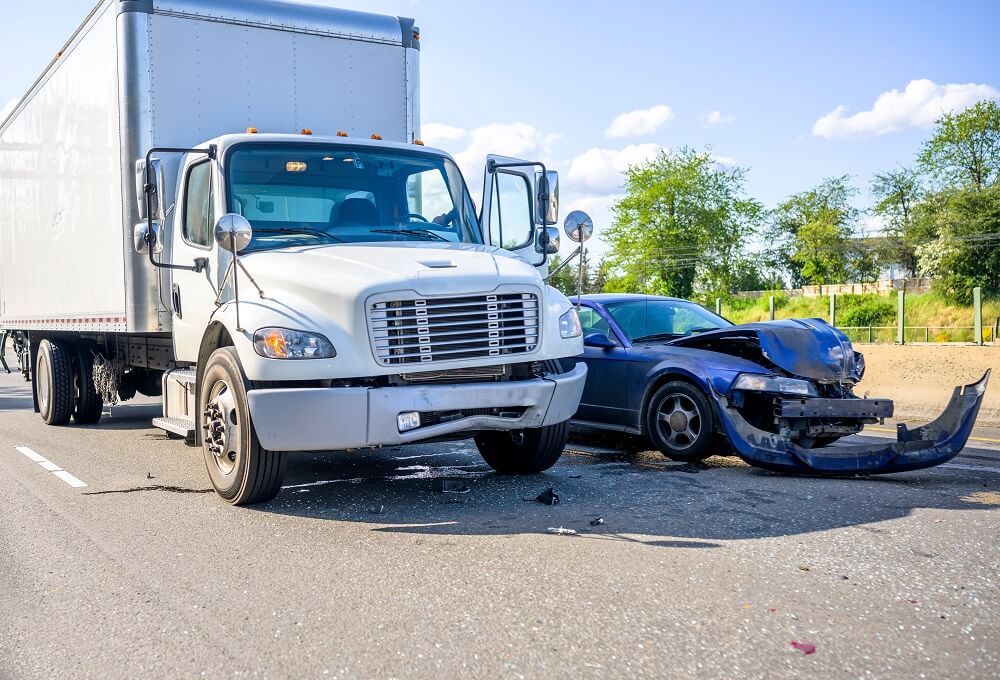
Because so many parties may be involved in the operation, manufacturing, maintenance, and loading of FedEx trucks, accidents involving FedEx trucks may present unique challenges when determining liability and to what extent. Crashes involving additional vehicles are even more complex.Additionally, Virginia’s strict laws on shared fault also mean truck accident victims may not be able to recover compensation if they were even slightly responsible for causing an accident with a FedEx truck.If you got hurt in a FedEx truck accident, an experienced attorney can investigate the collision and identify the liable parties from whom you can pursue the financial recovery you deserve. Contact the Lichtenstein Law Group PLC for a free consultation.What Steps Should You Take Immediately After a Virginia FedEx Truck Accident?If you were involved in a collision with a FedEx truck, you need to take smart, fast action afterward to safeguard your legal rights. Prioritize your health and safety first and foremost, but if you’re able to take pictures and exchange info with the driver and any eyewitnesses, this information can go a long way toward supporting your truck accident case.Don’t admit fault or accept blame at the accident scene – that’s for the court to decide. Seek medical attention immediately, and keep all of your medical records to support your personal injury claim.After getting the immediate medical treatment you need, contact an experienced truck accident lawyer to discuss your case and learn more about your legal options. They’ll take over the claim process from there.What Evidence Is Needed to Prove Who Is Liable for the FedEx Truck Accident?FedEx truck accident cases are often complicated. The FedEx corporation may try to deny liability for the accident, so you will need to be able to refute these claims.Your attorney’s first task will be to gather and review detailed evidence that shows how the crash occurred and who contributed to it. This investigation is highly time-sensitive – key information can be lost or destroyed if it’s not preserved quickly.Some types of evidence that may be useful in proving liability for a FedEx accident include:Accident reportsEyewitness statementsPhotos and video footage from the sceneThe truck’s electronic data recorder (“black box”)The truck driver’s logbook and the truck’s electronic control moduleDriver qualification and training recordsRecords regarding the truck’s maintenance and inspectionsDelivery schedules and dispatch recordsPhysical evidence, such as skid marks or property damageWhat Are Common Causes of Virginia FedEx Truck Accidents?Multiple parties could be responsible for a FedEx truck accident. Depending on how the crash occurred, liability may rest with the truck driver, FedEx as the employer, a third-party maintenance company, or even the manufacturer of a defective vehicle part. Sometimes, more than one party shares responsibility, which introduces new levels of complications into determining shares of liability. Notably, vicarious liability may apply even when an independent contractor driver is involved.Since multiple parties may be involved in causing commercial truck accidents, the direct or contributing causal factors may not be immediately apparent. FedEx accidents may result from:Driver fatigueDistracted drivingImpairment by drugs or alcoholSpeeding or reckless driving caused by tight delivery deadlinesImproper loading or unsecured cargoInadequate driver training or supervisionMechanical failures, such as issues with brakes or steeringPoor vehicle maintenanceHazardous road or weather conditionsDoes FedEx Provide Insurance for Drivers?FedEx does provide insurance coverage for its drivers, including for independent contractors. The type and amount of coverage depend on the driver’s employment status and the details of the accident. Employees driving company-owned trucks are typically covered under FedEx’s commercial insurance policy, while independent contractors are required to pay deductibles before the company’s coverage kicks in.What Sort of Compensation Can You Seek in a FedEx Truck Accident Claim in Virginia?The types and amount of compensation you might pursue in a FedEx truck accident claim depend on unique factors like the nature and severity of your injuries, your prospects for making a full physical recovery, and how much work you miss as a result of the crash. Most truck accident claims account for both economic losses, such as medical expenses, future medical care, and lost income, as well as non-economic losses, including compensation for physical pain and suffering, emotional distress, and diminished quality of life.What Happens If I Was Partly At Fault for the Accident?Virginia follows a strict contributory negligence rule that bars a person from recovering compensation if they are even one percent at fault for causing an accident. There are limited exceptions – for example, you may still recover compensation if the FedEx driver engaged in wanton or willful misconduct or if the defendant had the last clear chance to avoid the crash. However, because insurance companies often try to shift blame to avoid payouts to victims, having a lawyer to protect your rights is especially important in these cases.Is There a Deadline for Filing a FedEx Truck Accident Claim in Virginia?Most Virginia personal injury claims are subject to a two-year statute of limitations. This means you have only two years from the accident date to file a lawsuit against a negligent driver, FedEx itself, or other responsible parties. While the law makes limited exceptions in some cases, these cases are rare, and reaching out to a truck accident attorney right away can go a long way toward preserving your right to seek financial recovery.How Can a Virginia Truck Accident Lawyer Near Me Help?The period after a crash with a FedEx truck can be overwhelming and exhausting. Depending on the severity of your injuries, you may be dealing with hospitalization, medical procedures, frequent doctor appointments, and extended time away from your job. The physical, financial, and emotional strain can be a lot to deal with.One key benefit of turning to a FedEx truck accident lawyer for assistance is that they’ll take the whole insurance claim process off your plate so you can focus on your treatment. They’ll conduct a thorough investigation into the crash, communicate and negotiate with insurers, protect you from attempts to lowball or deny your claim, and, if necessary to achieve a just outcome, prepare your case for trial. This is a highly complex process – having an attorney in your corner who’s managing your case provides practical value and peace of mind.Contact a Virginia Truck Accident LawyerIf you suffered injuries in a collision with a FedEx truck, turn to the team at Lichtenstein Law Group PLC for the legal support you need and deserve. We have focused on serious injury cases since 1992 and have nearly 100 years of combined legal experience. Contact us today for a free initial consultation to discuss your case with a skilled FedEx truck accident lawyer.

 Tap to Call